
Wardrobe Regrets in Singapore: Why Built-In Carpentry Often Fails
Many Singapore homeowners assume that "custom-made" built-in wardrobes are the gold standard for renovation. However, after living with these fixed structures for just a few years, a different reality often sets in.
In Singapore's humid climate and space-constrained residential market, rigid carpentry frequently fails to adapt to real life. This article explores why traditional built-ins cause regret and what modern alternatives exist.
Why Do Custom Built-In Wardrobes Waste Space in HDB Flats?
A common misconception is that "made-to-measure" equals space efficiency. In reality, traditional built-in wardrobes often create unusable dead zones.
The "Seamless" Trap
Carpenters typically leave gaps near the ceiling and walls to allow for material movement, sealing them with silicone.
- Cause: Silicone sealants degrade over time in humid non-air-conditioned rooms.
- Effect: These sealed gaps become breeding grounds for mould and dust that are impossible to clean without removing the entire structure.
- Result: Homeowners pay for a "seamless" look but inherit a long-term maintenance burden.
Poor Internal Planning
Custom carpentry focuses heavily on the external facade (laminates, doors) rather than internal utility.
- Dividers are permanently fixed, limiting the ability to hang longer dresses or suits later.
- Drawers are often too deep, causing small items to get lost at the back.
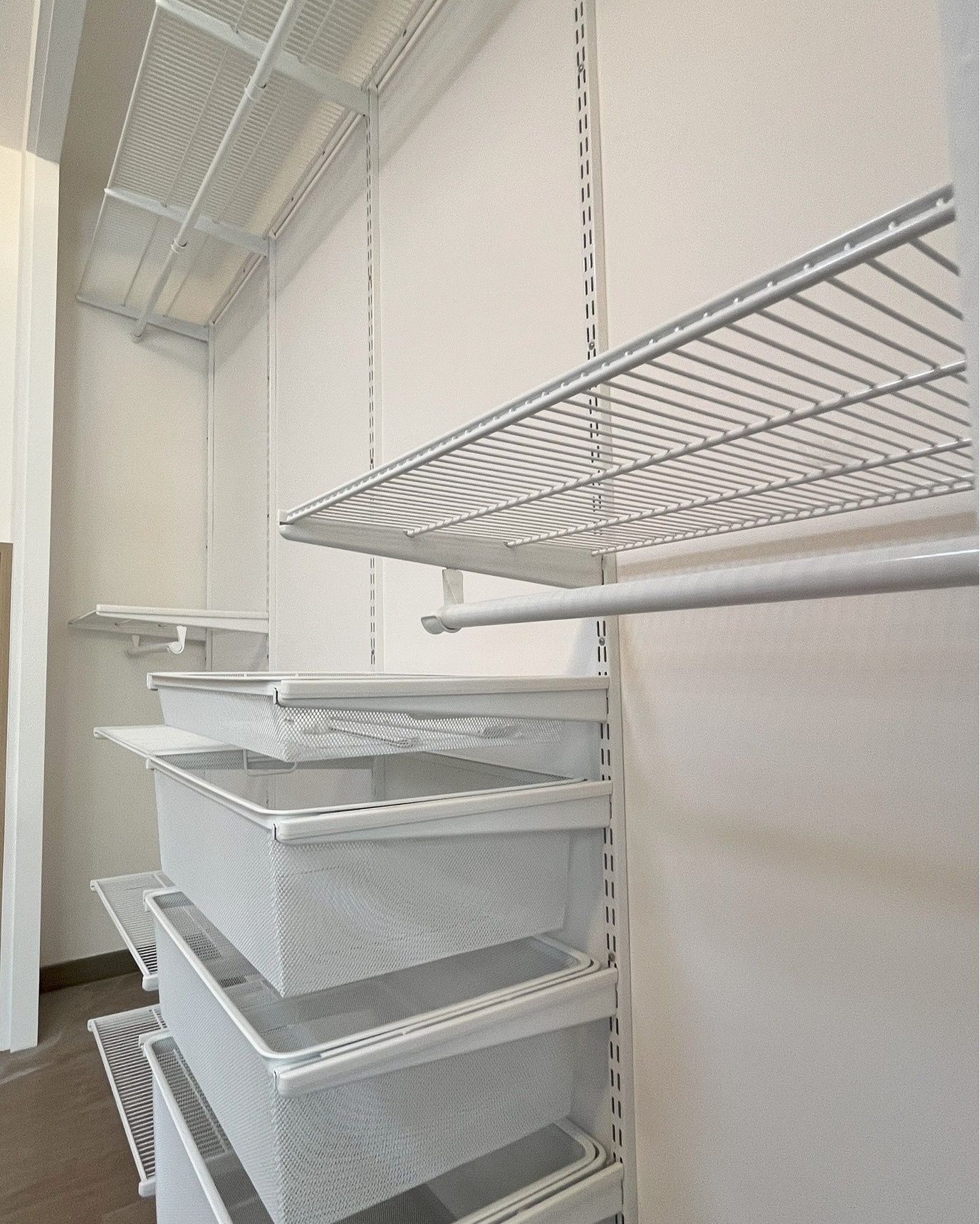
Definition: A Modular Wardrobe is a storage system composed of independent, adjustable units (poles, shelves, drawers) that can be reconfigured or moved, unlike fixed carpentry which is permanently attached to the building structure.
Is a Fixed Internal Layout Practical for Daily Use?
Life changes faster than carpentry does. A wardrobe layout that works for a newlywed couple often fails when a baby arrives or when job roles change (e.g., needing more formal wear).
The Rigidity of Carpentry
Once a plywood divider is nailed in place, it cannot be moved without damaging the laminate.
- Scenario: You need more hanging space for long dresses.
- Problem: The fixed shelves prevent it.
- Outcome: Clothes get folded and stuffed into drawers, leading to clutter and wrinkles.
In contrast, systems like the HausFlex Modular Series allow you to adjust shelf heights and hanging rails in seconds without tools.
Do "Eco Panels" Prevent Mould and Smell in Singapore's Climate?
Many renovation firms market "E0" or "low-formaldehyde" eco panels as a premium safety feature. While safer than high-emission plywood, they are not a silver bullet for Singapore's tropical environment.
The Ventilation Issue
Formaldehyde and adhesive odours naturally off-gas from plywood and glue.
- Cause: Built-in wardrobes are often closed, unventilated boxes pressed against concrete walls.
- Effect: Moisture gets trapped behind the backing, and chemical odours accumulate inside the compartment.
- Reality: Even "Eco" panels can develop mould if the room lacks proper air circulation.
For families with sensitive noses or young children, reducing the sheer volume of wood/glue in the bedroom is the most effective solution. This is why pole system wardrobes (which use minimal wood) are gaining popularity.
Built-In vs. Modular Wardrobes: Which is Better for Your Home?
Before committing thousands of dollars to carpentry, compare the structural differences.
| Feature | Traditional Built-In Carpentry | Modular System (e.g., HausFlex) |
|---|---|---|
| Adjustability | Zero. Internal layout is permanent. | High. Shelves/rails adjust instantly. |
| Mould Risk | High. Trapped moisture behind backing. | Low. Open backs allow airflow. |
| Material Smell | High. Heavy use of glue & plywood. | Low. Mostly metal & aluminum. |
| Installation | 3–5 days (dusty, cutting on-site). | 1 day (clean, component assembly). |
| Reusability | None. Must be demolished if moving. | Dismantle and bring to new home. |
How Can Homeowners Avoid Costly Wardrobe Mistakes?
The most expensive wardrobe is the one you have to rip out after three years. To future-proof your renovation:
- Prioritize Flexibility: Choose a system that grows with your needs.
- Minimize Fixed Carpentry: Use carpentry only where necessary (e.g., feature walls), not for internal storage infrastructure.
- Invest in Doors: Since the interior can be simple and modular, allocate your budget to high-quality sliding or folding doors which define the room's aesthetics.
Final Thoughts
A wardrobe should serve your lifestyle, not dictate it. If you are unsure whether a modular system fits your specific floor plan, booking a consultation can help clarify how to maximize your space without the drawbacks of permanent carpentry.